Fake Reality Font: A Bold Serif for Web Design
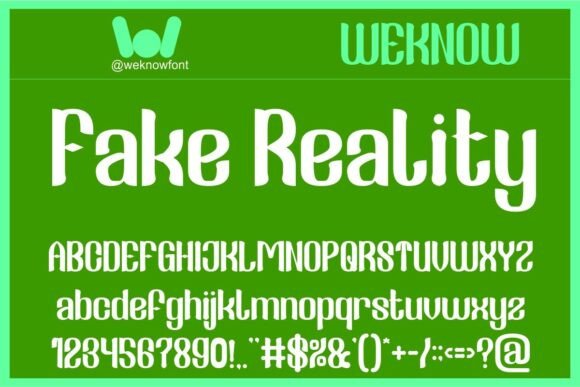
While working on a boutique online store, I stumbled upon Fake Reality—a striking display serif typeface that immediately caught my eye. Its vintage flair and stencil influences make it stand out in a sea of modern sans serifs. As a web designer, I was curious to see how it would perform in real layouts, especially on hero sections and product banners.
Fake Reality blends Art Nouveau elements with a touch of industrial design. The font has a distinct personality—playful yet refined, making it perfect for creative brands looking to add a unique visual identity. Its intricate details and subtle textures give it a tactile feel, even on digital screens.
I started by testing it in a hero section, where the main headline needed to grab attention. The font’s bold strokes and decorative flourishes made it ideal for short, impactful messages. It worked well against a dark background, adding depth and contrast without overwhelming the viewer.
Using Fake Reality in Digital Layouts
On a coaching website, I used Fake Reality for the main heading of a landing page. The font’s elegance helped set a tone of professionalism while still feeling approachable. It paired nicely with a simple sans serif for body text, creating a balanced hierarchy that guided users through the content.
For an e-commerce site, I experimented with Fake Reality on product banners. The font added a sense of authenticity and creativity, making the brand feel more personal. However, I noticed that on smaller screens, some characters became harder to read. That’s when I realized the importance of checking readability across different devices.
When placing Fake Reality over image banners, I made sure there was enough contrast between the text and the background. Using a semi-transparent overlay helped maintain legibility without sacrificing the visual impact of the image.
Readability and User Experience
Readability is crucial for any font, especially on mobile screens. Fake Reality works best for short phrases and headlines rather than long paragraphs. Its decorative nature makes it less suitable for body copy, but as a display font, it excels in creating visual interest and guiding user focus.
In a portfolio homepage, I used Fake Reality for project titles. The font’s uniqueness helped each section stand out, making the layout feel more dynamic. However, I avoided using it for navigation labels or call-to-action buttons, where clarity is key.
For a blog redesign, I placed Fake Reality in the header and subheadings. The font’s vintage charm complemented the site’s editorial style, giving it a cohesive look. I also considered font pairing, combining it with a clean serif for article titles to maintain a professional appearance.
Best Practices for Web Design
Before implementing Fake Reality, I checked its webfont availability and file formats. It was available in multiple weights, which gave me flexibility in designing different layout elements. I also made sure to test multilingual support, as the site catered to an international audience.
Commercial licensing was another consideration. Since the font was intended for a client project, I verified that the license covered all necessary use cases, including web deployment and digital marketing materials.
When using Fake Reality on buttons or small text elements, I kept the size consistent and avoided overcomplicating the design. The font’s details could easily get lost if not scaled properly, so I focused on maintaining clarity and consistency across the site.
Brand Identity and Visual Hierarchy
Fake Reality can significantly influence a brand’s visual identity. Its vintage aesthetic makes it ideal for creative businesses, such as independent designers, artisanal shops, or lifestyle brands. It adds a layer of storytelling to the design, helping the brand connect with its audience on a deeper level.
In a campaign landing page, I used Fake Reality for the main headline and supporting text. The font’s character helped reinforce the campaign’s message, making the content more engaging. It also contributed to a stronger sense of trust, as the font felt more authentic and intentional.
For a course sales page, I experimented with using Fake Reality in the title and key features. The font’s decorative elements added a sense of exclusivity, making the course feel more premium. However, I limited its use to specific areas to avoid cluttering the layout.
Overall, Fake Reality is a versatile display serif that can elevate a website’s design when used thoughtfully. It’s not a one-size-fits-all solution, but when paired correctly, it can create a memorable and polished online experience.
As I wrapped up the project, I felt confident that Fake Reality had contributed to a more cohesive and visually appealing brand presence. It reminded me that typography is more than just aesthetics—it’s a powerful tool for communication and user engagement.